Every page of Scripture carries the weight of impossible choices, but few are as severe as the one set before a Hebrew mother under a decree of death. The Nile, worshiped as Egypt’s source of life, had been conscripted into an instrument of slaughter. Pharaoh’s command was clear: every Hebrew son was to be cast into the river. Into that atmosphere of state-sponsored annihilation, a child was born. His mother, Jochebed, looked at him and discerned what faith often sees before reason can explain it—that this child was marked by God. She hid him as long as she could, resisting empire in the only way available to her trembling hands.
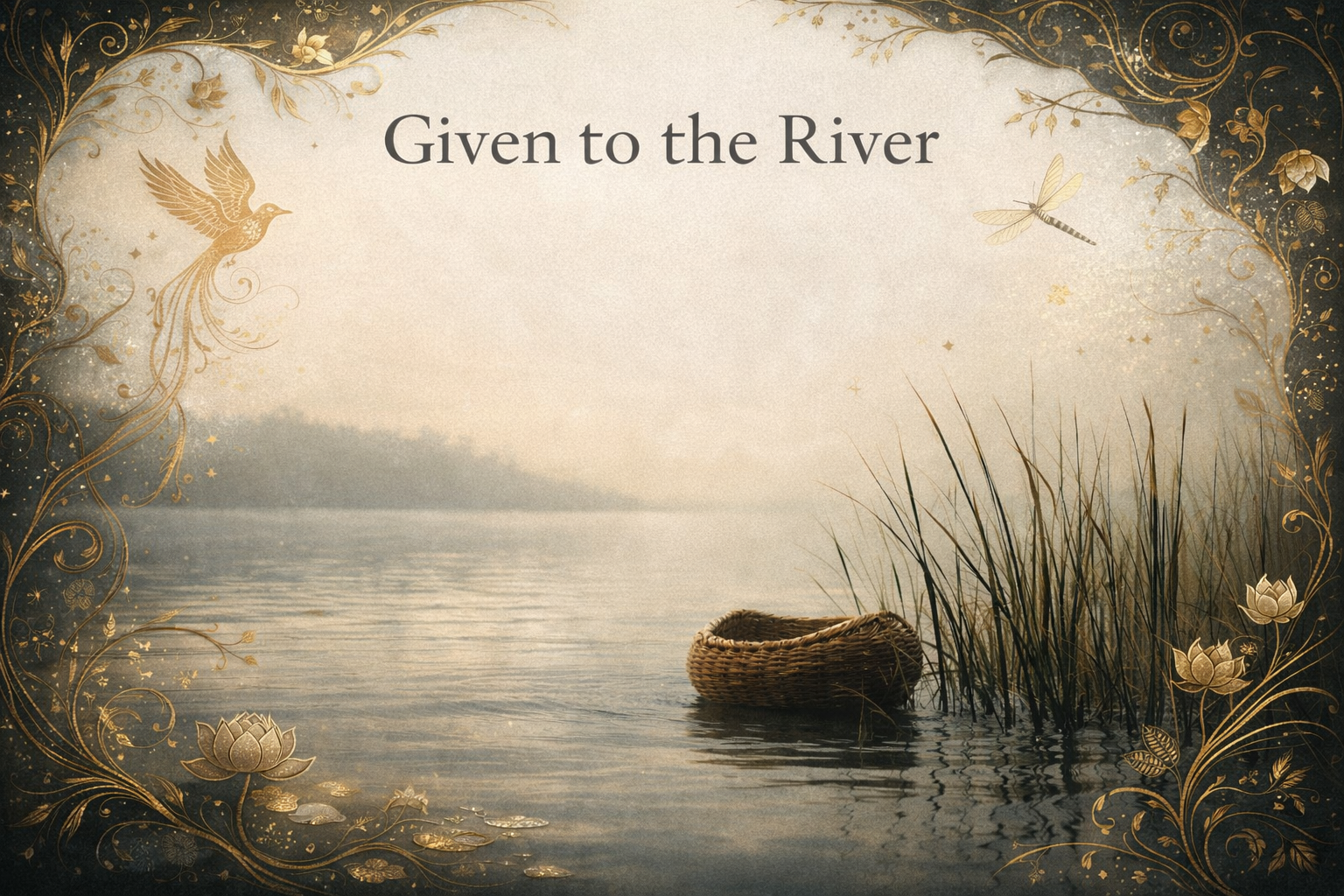
When concealment was no longer possible, she did not surrender him to the Nile as an act of despair, but as an act of defiance shaped by faith. She built a basket—yet the Hebrew word is the same used for Noah’s ark. This was no container of abandonment; it was a vessel of preservation. As God once bore a family through waters of judgment, so now a mother entrusted her son to a God who rules the floods. The ark she fashioned was rough, sealed with tar and pitch, but it was constructed with theological clarity: the river is not ultimate. God is.
Surrender in such a moment is not passive resignation. It is deliberate entrustment. Jochebed placed the ark among the reeds, not in reckless haste but with sober intention. The reeds were a threshold space—near enough to watch, far enough to release. Faith does not anesthetize love; it refines it. She stationed her daughter at a distance, keeping vigil over what she could no longer control. Here we see that surrender is not indifference. It is love stretched beyond its own capacity, refusing to collapse into either panic or despair.
Then comes the smallest hinge upon which history turns: the cry of a child. No thunder split the sky. No prophet announced deliverance. A baby wept, and a princess felt compassion. The God who humbles empires chose to work through ordinary means—a basket, reeds, a sister’s courage, a daughter of Pharaoh moved by mercy. Salvation entered quietly, without spectacle, yet with irreversible consequence. Once the child was released, God moved in courts and chambers the mother could never enter.
This account does not promise that every relinquished hope returns in recognizable form. It does reveal the character of the One to whom surrender is made. The river was never sovereign. The God who formed its banks and set its course remained Lord. To release what we love into His hands is not to consign it to chaos but to confess that we are not the final guardians of destiny. Jochebed’s open hands became the doorway through which a deliverer would rise. In the mystery of divine providence, surrender became the seedbed of salvation.